Using Carnivore Diet and HIIT for Dopamine | Dr. Sarah Zaldivar
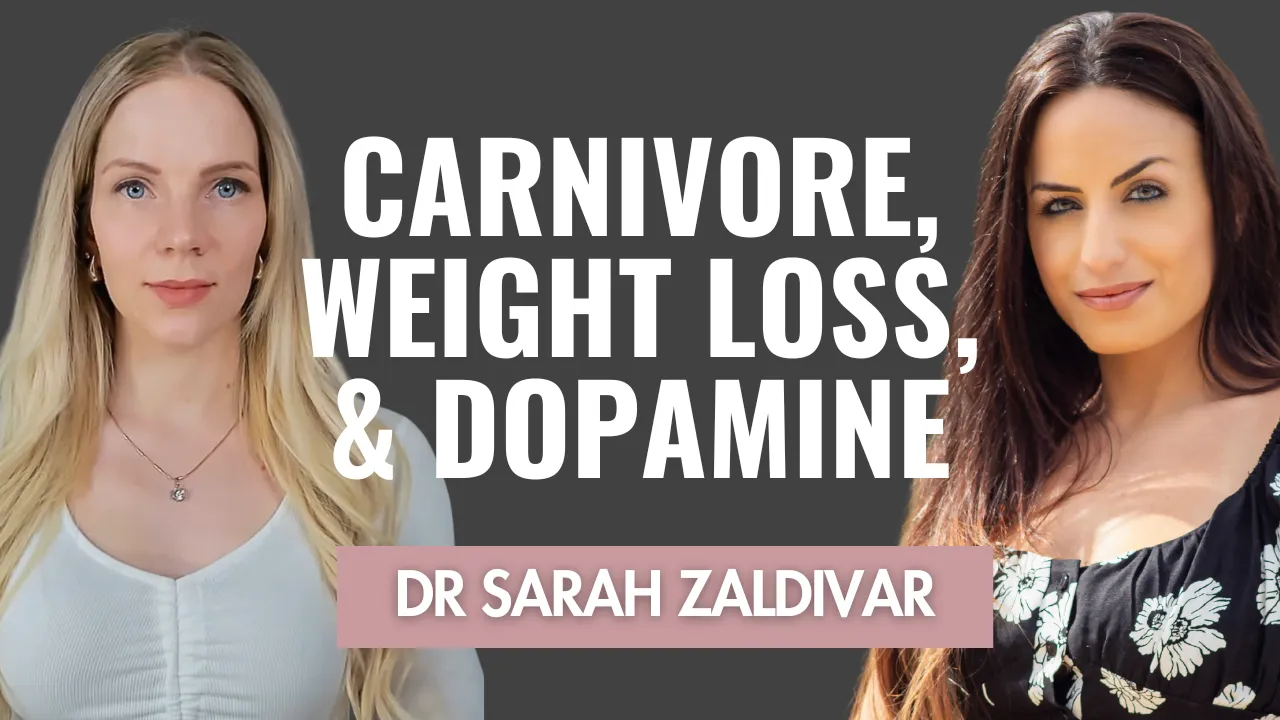
In this episode, I discussed with Dr. Sarah Zaldivar, a PhD in Nutrition and Exercise Physiology, a professor at Miami Day College, a best-selling author, and a content creator. She's a respected authority in the carnivore community and has recently focused her research on combining a zero-carb diet with exercise for weight loss and dopamine receptor recovery.
Here are the main discussion points from the episode.
If you want the details, watch the full episode here: https://youtu.be/N9ntrXDLsgw
The Carnivore Diet Explained
Dr. Zaldivar delves into the carnivore diet, a zero-carbohydrate eating plan that consists exclusively of animal-based foods like meat, fish, eggs, and some dairy products.
Zero-Carb Focus: Unlike the ketogenic diet, which limits carbs, the carnivore diet eliminates them.
Evolutionary Basis: Historically, humans thrived on a meat-heavy diet during the Ice Age, which supported significant brain development.
Weight Loss Transformation
Dr. Zaldivar shares her journey with the carnivore diet, highlighting how it cleared her acne, helped her lose 30 pounds, and maintained her desired weight, optimal metabolism, and body composition. These factors aid the transformation during the carnivore diet:
Ketosis: By eliminating carbs, the body enters ketosis, burning fat for energy. Ketosis is a well-known nutritional strategy for healthy fat loss, but it's also shown to be beneficial for brain health and mental healt
Appetite Control: High protein and fat intake reduces overall calorie consumption by promoting satiety.
Elimination of sugar, alcohol, and processed foods: Elimination of sugar and processed foods keeps inflammation low, supporting healthy metabolism and recovery.
Metabolic Boost: Increased protein boosts metabolism, aiding in faster weight loss.
Dopamine Receptors and Food Addiction
Dr. Zaldivar explains the science behind dopamine, a neurotransmitter linked to pleasure, motivation, and reward, and how food addiction, particularly to sugar, impacts its function.
Dopamine Release: Sugar and artificial sweeteners trigger high dopamine levels, similar to addictive drugs.
Addiction Mechanism: Chronic high sugar intake leads to the destruction of dopamine receptors, especially D2 receptors, causing decreased motivation and increased cravings.
Role of the Carnivore Diet in Dopamine Recovery
The carnivore diet helps recover dopamine receptors by eliminating addictive foods and supporting brain health through nutrient-rich animal products.
Eliminating Sugars and Carbs: Reduces dopamine spikes and cravings, promoting better dopamine balance.
Nutrient Support: Essential nutrients from animal foods aid neurotransmitter function and brain health.
Enhancing Dopamine Receptor Recovery with Exercise
High-Intensity Interval Training (HIIT) is crucial in repairing dopamine receptors damaged by food addiction.
D2 Receptor Upregulation: HIIT stimulates the production of D2 receptors, aiding in dopamine recovery.
Brain Adaptation: Intense exercise provides a strong stimulus for the brain to produce more dopamine and related machinery.
Practical Steps to Start the Carnivore Diet
Dr. Zaldivar provides a pragmatic approach to transitioning to the carnivore diet:
Gradual Transition: Slowly reduce carbohydrate intake.
Eliminate Addictive Foods: Avoid sugars, processed snacks, and high-carb foods.
Increase Animal Foods: Focus on incorporating more meat, fish, eggs, and dairy into your diet.
Incorporating HIIT Workouts
Start Slow: Begin with moderate-intensity exercises and gradually increase the intensity.
Consistency is Key: Aim for regular HIIT sessions to maximize dopamine receptor recovery.
Mix It Up: Combine strength training with HIIT for benefits of overall fitness and mental health.
Dr. Zaldivar Personal Health Practices
Dr. Zaldivar shares her daily routine that supports both physical and mental health:
Running: Regular running sessions to maintain and improve dopamine levels.
Strength Training: Consistent strength training to support muscle mass and overall fitness.
Diet: Primarily carnivore with occasional inclusions like mayo or protein bars for flexibility.
Conclusion
The carnivore diet offers a powerful weight-loss approach by leveraging a high-protein, nutrient-dense diet. Combined with high-intensity interval training, it supports dopamine receptor recovery, reducing cravings and enhancing motivation.
Further resources
For more information on the arnivore diet, dopamine, and exercise, explore these resources:
Harvard Carnivore Study: Comprehensive study on the effects of the carnivore diet.
Annual Reviews of Nutrition: Insights into diet and brain development.
Follow Us


